
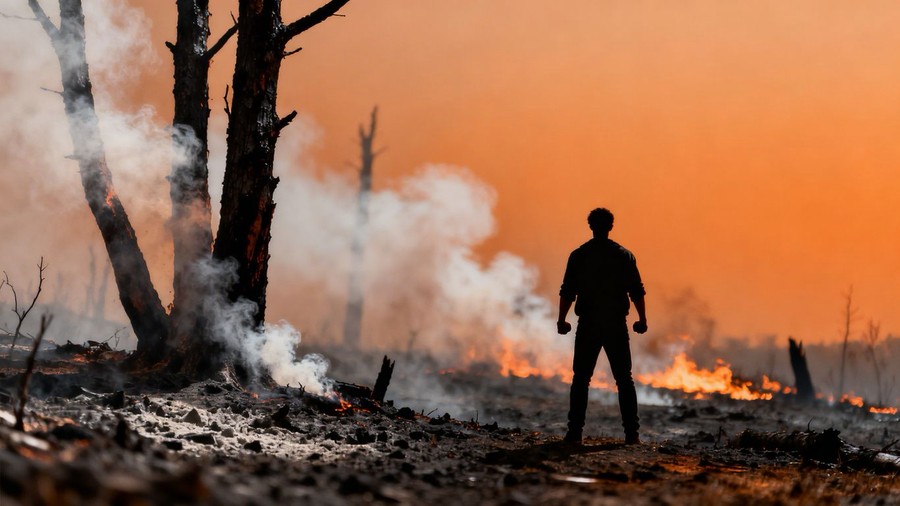
When a wildfire sweeps through, leaving a path of destruction, the question of who is responsible often comes to the forefront. It’s not always a simple answer, as multiple parties could potentially bear the blame for the ignition or spread of the blaze. Understanding these potential sources of liability is the first step in seeking justice and compensation.
Identifying Potential Responsible Parties
Determining who is at fault for a wildfire involves a thorough investigation into the fire’s origin. This process can point to several entities or individuals:
- Utility Companies: Faulty power lines, poorly maintained equipment, or failure to clear vegetation around infrastructure can all be contributing factors.
- Government Agencies: Inadequate management of public lands, failure to implement proper fire prevention measures, or delayed response to early warnings can sometimes lead to liability.
- Private Individuals or Businesses: Actions such as carelessly discarded cigarettes, unattended campfires, or unsafe industrial practices can spark devastating fires.
- Contractors: Work performed in high-risk areas, like construction or land clearing, if not done with appropriate safety precautions, can also be a source of ignition.
The key is to pinpoint the exact cause and then link it to a specific party’s actions or inactions.
Legal Theories Supporting Wildfire Claims
Several legal frameworks can be used to hold parties accountable for wildfire damages. These theories help plaintiffs build their case and demonstrate why compensation is warranted:
- Negligence: This is perhaps the most common legal theory. It requires proving that a party failed to exercise a reasonable level of care, and this failure directly led to the wildfire and subsequent losses. For example, a utility company might be found negligent if it didn’t maintain its power lines, leading to sparks that ignited dry brush.
- Strict Liability: In some situations, particularly those involving inherently dangerous activities, a party can be held liable for damages regardless of whether they were negligent. The mere fact that the dangerous activity caused the harm is enough.
- Public Nuisance: If a party’s actions unreasonably interfere with the public’s right to safety and a healthy environment, a public nuisance claim may be applicable. This often involves widespread harm affecting an entire community.
The Role of Negligence in Wildfire Lawsuits
Negligence is a cornerstone of many wildfire lawsuits. To establish negligence, a plaintiff typically needs to demonstrate four elements:
- Duty of Care: The defendant owed a legal duty to act with reasonable care to prevent harm.
- Breach of Duty: The defendant failed to meet that standard of care.
- Causation: The defendant’s breach of duty was the direct and proximate cause of the wildfire.
- Damages: The plaintiff suffered actual losses as a result of the wildfire.
Investigating these elements requires a deep dive into the circumstances surrounding the fire’s ignition and spread. Evidence such as maintenance records, inspection reports, and witness testimonies are vital. Understanding these legal principles is the first step toward seeking recovery for the devastating impacts of a wildfire, and it’s often beneficial to consult with legal professionals who specialize in these complex cases, like those who handle wildland fire management issues.
Initiating Your Wildfire Lawsuit
When a wildfire devastates your property or injures you, taking legal action can feel overwhelming. However, understanding the steps involved can make the process more manageable. The primary goal is to hold responsible parties accountable for their actions and to seek compensation for the losses you have endured.
Steps to Filing a Lawsuit After a Wildfire
Filing a lawsuit after a wildfire involves several key stages. It’s important to approach each step with care and attention to detail to build the strongest possible case.
- Seek Immediate Medical Attention: Your health is the absolute priority. If you have sustained any injuries, no matter how minor they may seem, get professional medical help right away. This not only aids your recovery but also creates a vital record of your injuries, which is critical evidence for any legal claim. Keep all medical records and bills; they document the extent of your harm.
- Consult an Experienced Attorney: Wildfire litigation is complex, often involving multiple parties and intricate legal theories. An attorney experienced in these types of cases can guide you through the legal system, investigate the fire’s cause, and identify all potentially liable parties. They can help you understand your rights and the potential value of your claim. Finding the right legal representation is a significant step toward recovery.
- Gather Essential Evidence: A strong case relies on solid proof. This includes documenting all your losses, such as property damage, medical expenses, and lost income. Take photographs of the damage, collect receipts for repairs or temporary housing, and keep records of any communication with insurance companies. Witness statements can also be very helpful.
- File the Lawsuit: Once you have consulted with an attorney and gathered sufficient evidence, the next step is to formally file the lawsuit. Your attorney will handle the legal paperwork and ensure that all deadlines are met. This action officially begins the legal process to seek compensation for your damages.
The Importance of Immediate Medical Attention
Following a wildfire, prompt medical care is not just about healing; it’s a foundational element of your legal strategy. Any injury, from burns and respiratory issues to emotional trauma, needs professional assessment. This early medical attention serves two main purposes: it ensures you receive the necessary treatment to prevent complications and establishes a clear, documented history of your injuries. This medical record is indispensable when proving the extent of your harm to the court or an insurance adjuster. Without it, it becomes much harder to demonstrate the direct link between the wildfire and your suffering, potentially impacting the compensation you can receive. Remember to keep copies of all doctor’s notes, treatment plans, and bills related to your wildfire injuries. This documentation is key to filing a personal injury lawsuit.
Gathering Essential Evidence for Your Case
Collecting comprehensive evidence is paramount when initiating a wildfire lawsuit. This evidence forms the backbone of your claim, illustrating the scope of the damage and the impact on your life. Start by meticulously documenting all property damage. Take clear photographs and videos of destroyed homes, damaged vehicles, and any other affected possessions. Keep receipts for all expenses incurred due to the fire, including temporary housing, repairs, and replacement items. If you were unable to work because of the fire or your injuries, gather proof of lost income, such as pay stubs or employer statements. Medical records, as mentioned, are vital for personal injury claims. Additionally, consider gathering any communication records with insurance companies, including denial letters or settlement offers. Statements from neighbors or other witnesses who observed the fire’s spread or its immediate aftermath can also provide valuable context. The more thorough your evidence collection, the stronger your position will be when seeking fair compensation.
Seeking Compensation for Wildfire Damages
When a wildfire sweeps through, the destruction can be immense, leaving behind a trail of loss that goes far beyond the visible char. Recovering from such an event involves not only rebuilding what was lost but also seeking financial restitution for the damages incurred. The goal of seeking compensation is to help victims restore their lives and recover from the devastating impact of the fire. This process can be complex, but understanding the types of compensation available is the first step toward rebuilding.
Types of Compensation Available for Victims
Victims of wildfires may be entitled to various forms of compensation, depending on the specifics of their situation and the extent of their losses. These can include:
- Property Damage: This covers the cost to repair or completely replace homes, businesses, vehicles, and personal belongings that were destroyed or damaged by the fire. It also accounts for structural damage from smoke and soot.
- Medical Expenses: Compensation for immediate medical treatment for injuries like burns, smoke inhalation, and respiratory problems, as well as ongoing care and rehabilitation needed for long-term health issues.
- Relocation and Living Expenses: Costs associated with temporary housing, meals, and other living expenses incurred while displaced from your home.
- Lost Income and Business Interruption: If the wildfire prevented you from working or forced your business to close, you can seek compensation for the wages lost and the income your business would have generated.
- Emotional Distress: Compensation for the psychological toll the wildfire has taken, including anxiety, fear, and post-traumatic stress disorder (PTSD).
In cases where the wildfire was caused by extreme recklessness or intentional disregard for safety, punitive damages may also be awarded. These are intended to punish the responsible party and deter similar behavior in the future. For instance, utility companies have faced significant settlements for wildfire damages, such as the PacifiCorp settlement.
Calculating the Full Extent of Your Losses
Accurately calculating the full extent of your losses is a critical part of the compensation process. It requires meticulous documentation and a thorough understanding of all the ways the wildfire has impacted your life. This isn’t just about the physical structures; it’s about the cumulative effect of the disaster.
- Detailed Inventory: Create a comprehensive list of all damaged or destroyed personal property, including furniture, electronics, clothing, and sentimental items. Photos and receipts can help, but even a detailed memory list is a starting point.
- Professional Assessments: For property damage, obtain estimates from qualified contractors for repair or replacement costs. For businesses, this might involve financial analysts to determine lost profits.
- Medical Records: Gather all medical bills, doctor’s notes, and treatment plans. Document any ongoing health issues that resulted from smoke exposure or injuries sustained during the fire.
- Personal Impact Statements: Describe how the fire has affected your daily life, your ability to work, and your emotional well-being. This helps quantify non-economic damages like pain and suffering.
It is important to consider both immediate and long-term consequences. For example, smoke contamination can affect air quality for months, requiring ongoing mitigation efforts. Understanding the full scope of damage is key to ensuring that your claim reflects the true cost of the wildfire.
Addressing Property Damage and Relocation Costs
Property damage is often the most visible and immediate concern after a wildfire. Rebuilding or repairing homes and businesses can be a lengthy and expensive undertaking. Compensation in this area aims to cover the costs associated with restoring what was lost.
- Repair vs. Replacement: Determine whether damaged structures can be repaired or if they need to be completely rebuilt. This decision impacts the compensation amount sought.
- Code Upgrades: If rebuilding requires meeting new building codes or standards that were not in place when the original structure was built, these additional costs should be factored into the claim.
- Temporary Housing: While your property is being repaired or rebuilt, you will likely need temporary housing. Compensation should cover rent, utilities, and other associated living expenses during this period.
- Loss of Use: This covers the loss of the ability to use your property, whether it’s your home or a place of business, during the repair or rebuilding phase.
Navigating insurance claims and legal processes for property damage can be challenging. Many victims find that working with an attorney who has experience in wildfire litigation, like those involved in cases against utility companies such as PacifiCorp, can help streamline this process and ensure fair compensation.
Navigating Personal Injury Claims
When Wildfire Injuries Extend Beyond Property
Wildfires can inflict damage far beyond homes and businesses. The physical and emotional toll on individuals can be profound and long-lasting. Personal injury lawsuits are designed to address these harms, seeking compensation for victims when their health and well-being are negatively impacted by a wildfire. Unlike claims focused solely on property, these cases center on the physical and psychological suffering experienced by individuals.
Compensation for Physical and Emotional Suffering
When a wildfire causes injury, victims may be entitled to compensation for a range of damages. This can include:
- Medical Expenses: Covering immediate treatment, ongoing care, rehabilitation, and future medical needs.
- Lost Wages: Compensating for income lost due to an inability to work because of injuries.
- Pain and Suffering: Acknowledging the physical discomfort and emotional distress caused by the injury.
- Disfigurement or Disability: Addressing permanent physical changes or limitations resulting from the fire.
The legal system aims to provide financial support that reflects the full extent of these losses.
The Impact of Long-Term Health Consequences
Wildfire smoke and the trauma of the event can lead to health issues that manifest long after the flames have died down. Respiratory problems, such as asthma or chronic bronchitis, can develop or worsen. The psychological impact, including post-traumatic stress disorder (PTSD), anxiety, and depression, is also a significant concern. These long-term health consequences can affect a person’s quality of life and their ability to earn a living. Documenting these ongoing effects with medical professionals is vital for a strong personal injury claim. It’s important to remember that insurance companies might try to minimize these long-term impacts, making legal representation particularly important. If your insurance company is not acting fairly, you may need to consult with a lawyer about subrogation options.
The Role of Legal Counsel
Dealing with the aftermath of a wildfire can be overwhelming, and understanding your legal options is a significant part of the recovery process. This is where legal representation becomes important. An experienced attorney can guide you through the complexities of wildfire litigation, helping you seek the compensation you deserve.
Why Experienced Attorneys Are Crucial
Wildfire cases often involve intricate legal questions and substantial amounts of evidence. Utility companies, government agencies, or other potentially liable parties will likely have legal teams working to protect their interests. Without proper legal representation, individuals may find themselves at a disadvantage. Attorneys specializing in wildfire claims possess the knowledge to:
- Investigate the cause of the fire thoroughly.
- Identify all potentially responsible parties.
- Understand the specific laws and regulations that apply to your situation.
- Gather and preserve critical evidence, which can be time-sensitive.
This specialized knowledge is vital for building a strong case. For instance, determining fault in wildfire ignition requires a meticulous process that blends scientific investigation with legal understanding. Legal experts work alongside investigators to piece together the evidence, establishing a chain of causation that can hold the responsible parties accountable. This process is not only technical but also laden with legal implications, as the findings will ultimately underpin the arguments presented in court.
How Legal Representation Aids Your Recovery
Having legal counsel means you have a dedicated advocate focused on your case. This allows you to concentrate on your personal recovery and rebuilding efforts without the added stress of legal proceedings. Attorneys can assist with several key aspects:
- Claim Filing and Management: They handle the paperwork, deadlines, and communication with all parties involved, including insurance companies and opposing legal teams.
- Evidence Collection: This includes securing documents, witness statements, and expert reports needed to support your claim.
- Negotiation and Litigation: They will negotiate with insurance adjusters and, if necessary, represent you in court to fight for a fair settlement or verdict.
Legal professionals can also help you understand the full scope of damages, including property loss, medical expenses, and emotional distress. They can also assist in navigating government aid and compensation programs, which often have complex application processes and eligibility requirements. Staying informed about these programs is key, and legal experts can help ensure you take full advantage of available assistance.
Negotiating with Insurance Companies and Liable Parties
One of the most challenging aspects for wildfire victims is dealing with insurance claims and negotiations. Insurance companies may offer settlements that do not fully cover your losses, or they might delay or deny claims altogether. An attorney acts as your representative in these discussions. They understand the tactics insurance companies might use and are prepared to counter them. Their goal is to secure a settlement that truly reflects the extent of your damages. This might involve challenging low valuations of property or disputing the denial of a claim. For example, a $5.25 million settlement was reached in a class action lawsuit stemming from a significant motel fire, demonstrating the potential outcomes of persistent legal action [7ddf]. By having a legal professional negotiate on your behalf, you increase the likelihood of a favorable outcome and can avoid accepting an inadequate offer.
Understanding Legal Precedents and Future Law
Legal outcomes from past wildfire cases shape the foundation for how similar lawsuits get handled today and in the years to follow. When a court rules on wildfire responsibility, that decision can change how companies, individuals, and even governments act across the country.
Influential Wildfire Lawsuit Outcomes
Several large wildfires have resulted in lawsuits that met national attention, setting legal precedents for how responsibility is decided. Some major themes include:
- Utility companies have been found at fault for failing to maintain equipment, which led to industry-wide changes.
- Successful claims have broadened how the courts view environmental damage and loss, expanding what victims can recover.
- These results pressure businesses and public agencies to rethink their safety measures, since past court decisions often guide future
lawsuits and settlements.
A more recent example is the Supreme Court’s decision to hear cases that could influence how climate lawsuits, including wildfire claims, are treated nationwide. This could either make it easier or harder for people and communities to hold big companies responsible for wildfire damage. For context, check out the US Supreme Court’s review of climate lawsuits as a sign of these changing legal currents (US Supreme Court agrees to hear Big Oil case).
Anticipating Changes in Wildfire Legislation
The increase in wildfires, coupled with growing public concern, is driving changes in how laws address these disasters. Likely areas of focus include:
- Tougher regulations for land and forest management practices.
- More detailed rules for utility companies, possibly requiring updated technology or stricter inspections.
- Better support for communities in preventing, surviving, and rebuilding after wildfires.
The legal field is already starting to explore whether existing laws are enough to cover all the different ways wildfire damage can hit victims both immediately and over the long term. Adjustments in legislation will shape who can sue, on what grounds, and for what type of compensation.
The Evolving Landscape of Wildfire Litigation
Wildfire lawsuits aren’t just about property — they often involve health, air quality, and long-term community impacts. As science and technology continue to develop, courts can consider new types of evidence, from satellite data to health studies. This means lawyers, judges, and insurers must keep up with the changes.
Staying informed matters for anyone affected — or anyone potentially responsible. Here are the trends to watch:
- Courts keep refining what counts as proof in wildfire cases.
- Interest in climate-related and environmental claims is rising, opening new avenues for holding organizations accountable.
- Insurance companies are updating policies and responses as the legal and environmental landscapes shift.
So, the boundaries and definitions of wildfire liability and recovery will keep shifting. Knowing which precedents may apply is just as important as knowing which new laws are on the horizon.